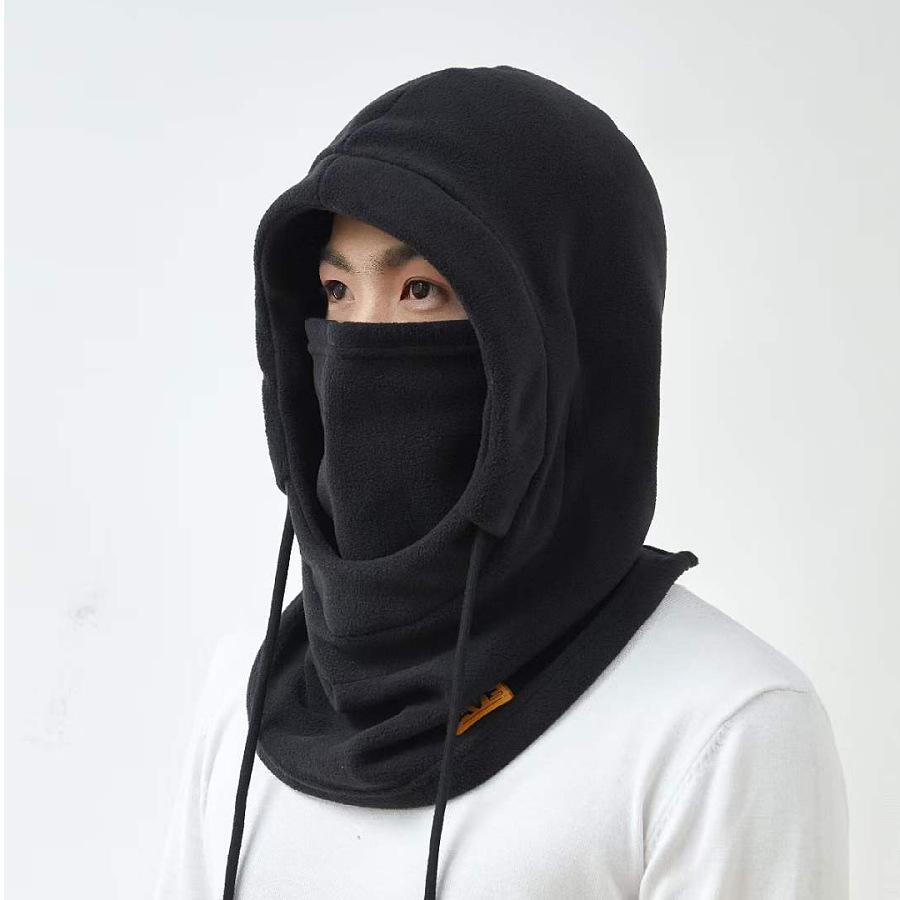
I used to assume all winter hats were essentially the same, so I always grabbed the cheapest option. For years, I endured cold winters and the constant cycle of replacing flimsy gear.
Eventually, I grew tired of buying a new hat every season. I decided to upgrade my headwear, moving from basic acrylic beanies to a serious, high-end balaclava-style cap. This journey taught me three key lessons:
My initial attempts to stay warm were purely budget-driven. I’d buy whatever caught my eye on the impulse rack at department stores. My first hat cost $20 and lasted only three weeks before it began to fall apart.
These hats were typically made from thin, scratchy acrylic. They looked like a dense knit in photos, but in reality, the wind cut right through them. Often, there was no liner at all, or it felt as thin and fragile as tissue paper.
I quickly learned that an extremely low price means thin material. Thin material stretches out quickly and provides no real warmth. They failed to function as proper WholeCustomDesign Headwear.
Example Review:
Verdict: Don't buy headwear just because it's cheap. You're essentially purchasing disposable gear that won't last the season.
After one too many cold ears, I decided to spend a bit more. I upgraded to what I’d call a $35 standard beanie with a liner. The result? It was... fine.
These hats had a slightly better weave and a denser-looking knit. They usually included a thin layer of fleece inside, giving the initial impression of a genuine women's warm knitted beanie with fleece. However, the quality was inconsistent.
The main issue was the fleece lining. It was often loose or poorly stitched to the outer shell. After a few washes, the liner would twist and bunch up, making the hat uncomfortable and ineffective at blocking cold spots.
Key Problems I Noticed: